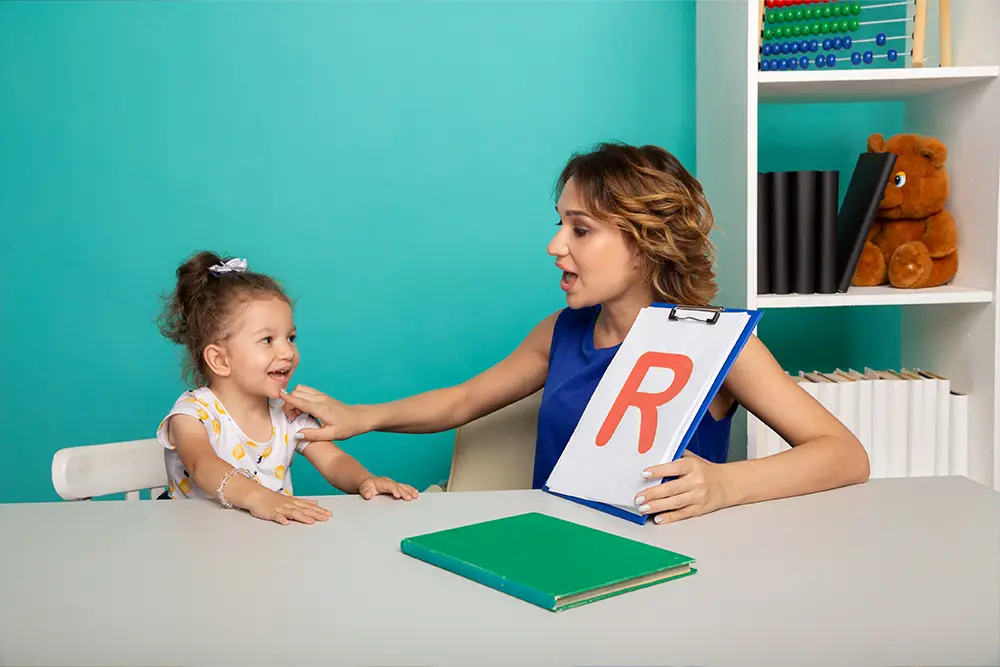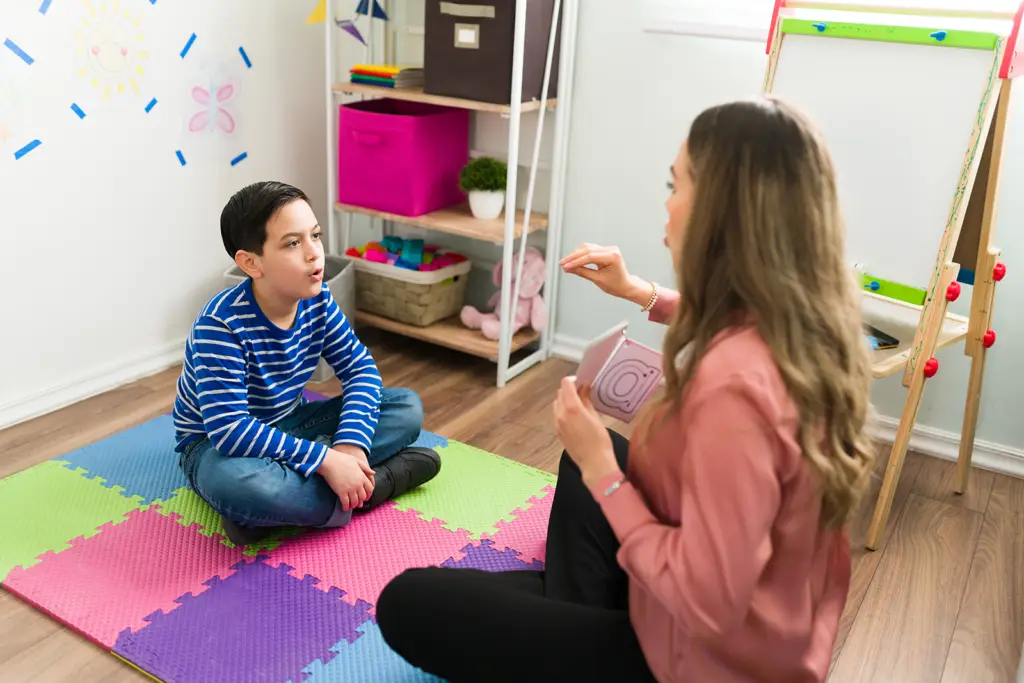
If your child is struggling to communicate with spoken words alone, you may have heard the term AAC—Augmentative and Alternative Communication. For many families, the idea of AAC can feel unfamiliar or even overwhelming at first. Will it replace speech? Is it giving up on my child learning to talk? The answers to these common concerns are reassuring: AAC does not replace speech—it supports it.
AAC refers to any form of communication that supplements or serves as an alternative to spoken language. It is a broad category that includes everything from simple gestures, sign language, and picture cards to sophisticated speech-generating devices and tablet-based apps. AAC is not a last resort. It is a tool that opens doors to communication for children who need more than spoken words to express themselves, and research shows that AAC use often promotes the development of natural speech rather than hindering it.
Types of AAC
AAC systems generally fall into two categories. Low-tech AAC includes tools that do not require batteries or electronic devices, such as picture exchange communication systems (PECS), communication boards and books, sign language and gestures, and visual supports and schedules. High-tech AAC includes electronic devices and applications, such as speech-generating devices (SGDs), tablet-based communication apps like Proloquo2Go, LAMP Words for Life, and TouchChat, and other digital tools that produce voice output.
The right AAC system depends on your child’s unique needs, motor abilities, cognitive level, and the environments where they need to communicate. A speech-language pathologist who specializes in AAC can help determine the best fit.
Common Myths About AAC
One of the most persistent myths about AAC is that it will prevent a child from developing spoken language. In fact, the opposite is often true. Research consistently shows that AAC can support speech development by reducing frustration and communication breakdowns, providing a reliable way to express needs and wants, modeling language visually and auditorily, and building the cognitive and linguistic foundations for spoken language. Another common myth is that AAC should only be tried after everything else has failed. In reality, there is no prerequisite for AAC—a child does not need to “prove” they cannot speak before being offered alternative ways to communicate.
How Gabsolutely Speaking Approaches AAC
At Gabsolutely Speaking in Sugar Land, TX, AAC is one of our areas of specialty. We provide comprehensive AAC evaluations, device selection and customization, direct therapy for the child, and caregiver and school team training to ensure that AAC is used effectively and consistently across all environments. Our approach is family-centered and individualized—because the best AAC system is the one that works for your child and your family.
If your child is struggling to communicate with spoken words, AAC may be the bridge that helps them connect. Contact us today to learn more.